
Do you feel constant anxiety but don't want to rely on medication? You are not alone. More and more people are seeking natural alternatives to calm their minds and regain balance. In this article, you will discover what to take for anxiety without a prescription, safely and supported by studies.
Anxiety is a natural response of the body to stressful situations, but when it becomes constant, it can affect our quality of life. There are natural supplements that can help reduce anxiety symptoms. Below, we explore some of the most studied, based on scientific research that support their effectiveness.
Editorial Note: This article was created with the assistance of artificial intelligence and edited by the Neuralea team. All the information is based on reliable scientific sources, such as PubMed NIH, EFSA, Cochrane, y Mayo Clinic, This content is informational and does not replace professional medical advice. Always consult a specialist before starting any supplement.

Why avoid prescription medications for anxiety?
Risk of dependence and side effects
Pharmacological options for anxiety, while effective in many cases, can have side effects and lead to long-term dependence.
Short-term solutions that do not address the root cause
Additionally, many medications provide only temporary relief and do not address the underlying causes of anxiety.
Natural alternatives can offer sustainable relief
Natural supplements are an excellent option for those seeking a more sustainable alternative, without the risks of prescription medications.
Natural remedies for anxiety (without prescription)
Magnesium
NOTE: Before starting any supplement, especially during pregnancy or lactation, or if you have any pre-existing medical conditions, consult with a healthcare professional to ensure it is safe for you.

Magnesium is an essential mineral that regulates the nervous system and participates in hundreds of biochemical reactions. Recent studies have shown that low magnesium levels are linked to higher anxiety and stress.
You can take magnesium supplements or include magnesium-rich foods like almonds, spinach, avocado, and pumpkin seeds in your daily diet.
It is important to note that some supplements may interact with prescription medications. For example, magnesium and ashwagandha may interact with certain anxiolytics or antidepressants. If you are taking prescription medications, consult with your doctor before starting any supplement.
Scientific evidence
Recent studies have shown that low magnesium levels are linked to higher anxiety and stress. A 2017 study published in Journal of Human Nutrition found that magnesium supplementation can help reduce anxiety in people with a deficiency of this mineral.
A 2017 study published in Journal of Human Nutrition found that magnesium supplementation can help reduce anxiety in people with a deficiency of this mineral. Read full study here.»
Recommended dosage
200–400 mg daily, preferably at night, to improve relaxation and sleep.
Main benefits: Reduces anxiety, improves relaxation
Considerations: Avoid in individuals with severe kidney problems.
The doses mentioned are for average adults. However, these may vary depending on factors such as weight, age, and overall health. It is recommended to consult with a doctor or specialist before starting any supplement.
How to choose a good supplement
. Look for magnesium supplements with highly absorbable forms such as magnesium citrate or the Magnesium glycinate. Make sure the product is free of additives and has quality certifications like NSF or USP.
Ashwagandha
NOTE: Before starting any supplement, especially during pregnancy or lactation, or if you have any pre-existing medical conditions, consult with a healthcare professional to ensure it is safe for you.

Ashwagandha is an adaptogenic plant widely used in Ayurvedic medicine. It helps reduce cortisol levels, the stress hormone, and improves mental resilience in stressful situations.
It can be consumed in capsules or infusions, always under supervision if you are taking other medications.
It is important to note that some supplements may interact with prescription medications. For example, magnesium and ashwagandha may interact with certain anxiolytics or antidepressants. If you are taking prescription medications, consult with your doctor before starting any supplement.
Scientific evidence
Ashwagandha has been the subject of numerous clinical studies, which support its effectiveness in reducing cortisol (the stress hormone) and improving mental resilience. A meta-analysis conducted in 2019 confirmed that ashwagandha significantly reduces anxiety and stress levels in individuals who consume it regularly.
Recommended dosage
300–600 mg daily of standardized extract, preferably at night.
Main benefits: Reduces cortisol, improves resilience
Considerations: May interact with anxiolytics
The doses mentioned are for average adults. However, these may vary depending on factors such as weight, age, and overall health. It is recommended to consult with a doctor or specialist before starting any supplement.
How to choose a good supplement
Make sure the supplement is standardized to at least 5% withanolides. Additionally, make sure it has organic certification and that it is free from contaminants.
For more details, consult the study published in PubMed that supports the effects of ashwagandha on anxiety.
Chamomile tea
NOTE: Before starting any supplement, especially during pregnancy or lactation, or if you have any pre-existing medical conditions, consult with a healthcare professional to ensure it is safe for you.
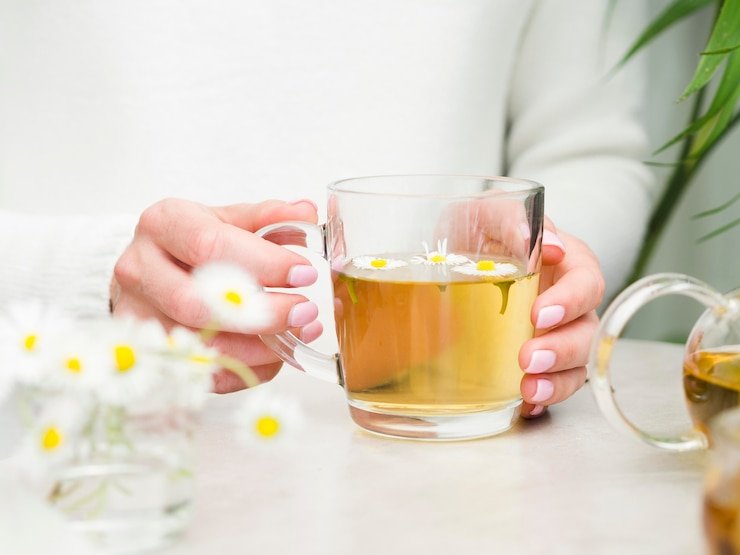
Chamomile tea is a natural calming agent with a gentle but effective effect. Studies indicate it can reduce symptoms of generalized anxiety and improve sleep quality.
Drinking a cup at night can help you relax before bed.
Scientific evidence
everal clinical studies have shown that chamomile tea can reduce symptoms of generalized anxiety. According to a 2009 trial in Phytomedicine, Chamomile tea is an effective and safe option for those seeking to calm their mind without significant side effects.
Recommended dosage
A cup of tea before bed.
Main benefits: Relaxing, reduces anxiety and stress
Considerations: None contraindicated
How to choose a good supplement
Opt for organic infusions with no artificial additives. If you prefer capsules, make sure the extract is standardized.
L-theanin
NOTE: Before starting any supplement, especially during pregnancy or lactation, or if you have any pre-existing medical conditions, consult with a healthcare professional to ensure it is safe for you.
L-theanine is an amino acid found in green tea that promotes relaxation without causing drowsiness. It also improves focus when combined with caffeine, reducing restlessness.
It is important to note that some supplements may interact with prescription medications. For example, magnesium and ashwagandha may interact with certain anxiolytics or antidepressants. If you are taking prescription medications, consult with your doctor before starting any supplement.
Scientific evidence
The L-theanin, an amino acid found in green tea, has been widely studied for its relaxing effects. According to a reviewed study in PubMed, an amino acid found in green tea, has been extensively studied for its relaxing effects. According to a reviewed study in
Recommended dosage
100–200 mg of L-theanine, ideally in combination with 50–100 mg of caffeine to improve focus and reduce anxiety.
Main benefits: Improves focus, reduces anxiety
Considerations: Consult in case of use with caffeine
The doses mentioned are for average adults. However, these may vary depending on factors such as weight, age, and overall health. It is recommended to consult with a doctor or specialist before starting any supplement.
How to choose a good supplement
Look for supplements that contain pure L-theanine without synthetic excipients. Make sure it is certified by a quality laboratory.
Available in supplements, it is a safe and effective option.
A recent 2020 study published in Journal of Clinical Psychology confirms that L-theanine can help reduce anxiety levels without causing drowsiness.
Lavender essential oil
NOTE: Before starting any supplement, especially during pregnancy or lactation, or if you have any pre-existing medical conditions, consult with a healthcare professional to ensure it is safe for you.
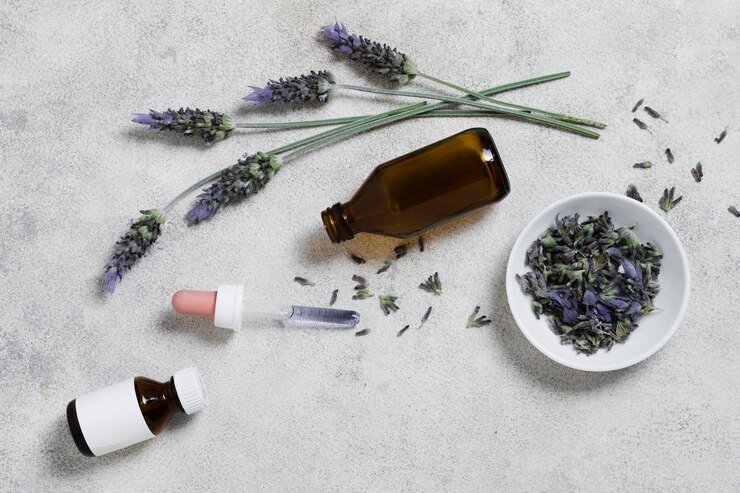
The lavender essential oil It has anxiolytic properties proven in clinical trials. It can be inhaled or taken in capsules to induce relaxation without causing dependence.
A couple of drops in a diffuser or a massage on the temples is enough to feel the calming effect.
Scientific evidence
Lavender essential oil has proven anxiolytic properties. A study published in The International Journal of Psychiatry in Clinical Practice In 2017, it showed that lavender essential oil has relaxing effects without creating dependence.
Recommended dosage
Two drops in a diffuser or applied to the temples to quickly relieve anxiety.
Main benefits: Alivio rápido de la ansiedad
Considerations: Make sure it is pure and free of synthetic additives
How to choose a good supplement
Make sure the lavender essential oil is pure and free of allergens and synthetic additives. Look for quality certifications.
Additional tips to enhance the effects
Sleep at least 7-8 hours daily.
Reduce caffeine and refined sugar.
Exercise regularly: at least 30 minutes a day.
Techniques like meditation, diaphragmatic breathing, and journaling.
When to consult a professional?
If symptoms persist or worsen.
If they interfere with your daily activities or relationships.
A combined approach (natural + professional) may be ideal.
Remember that self-medication can be risky. Always consult with a doctor before starting any supplement, especially if you are taking other medications or have pre-existing medical conditions.
Questions and Answers – FAQ
What is anxiety?
Anxiety is an emotion characterized by feelings of tension, worrisome thoughts, and physical changes like increased heart rate. We all experience it at some point, but when it occurs frequently or without a specific reason, it can affect your daily life.
What natural remedies can I take for anxiety without a prescription?
You can try supplements like magnesium, ashwagandha, L-theanine, or herbal teas like chamomile tea. These remedies have been shown to have calming effects and may help reduce anxiety symptoms without the need for prescription medications.
Is it safe to take natural supplements for anxiety?
In general, natural supplements are safe when used in recommended doses, but it’s always advisable to consult a healthcare professional—especially if you’re taking other medications or have pre-existing medical conditions.
How long does it take for a natural remedy to work for anxiety?
The time varies depending on the remedy and the person, but it usually takes from a few days to several weeks to notice significant improvements. Consistency in use and combining it with healthy habits help maximize the benefits.

Main Symptoms of Anxiety
Below are the most common symptoms, divided into physical, mental, and behavioral categories:
Physical symptoms:
Palpitations or rapid heartbeat, muscle tension, excessive sweating, dizziness or feeling faint, gastrointestinal problems (nausea, diarrhea), difficulty breathing or feeling of suffocation, headaches.
Mental symptoms:
Constant fear without a real cause, repetitive and negative thoughts, difficulty concentrating, sense of unreality or disconnection, irritability.
Behavioral changes:
Avoiding social situations or crowded places, difficulty sleeping (insomnia or frequent awakenings), excessive need for control over things, isolation.
Conclusion – What to take for anxiety without a prescription
You don’t need to rely on medication to start feeling better. With the right approach and effective natural options, you can regain your well-being and peace of mind. Remember that each body is different: the important thing is to find what works best for you.
Make sure to choose quality supplements, backed by scientific studies, and always consult with a healthcare professional before starting any supplement regimen.
Helpful and trusted links:
We recommend our healthy recipes website / Cooking Manual
A common technique to reduce anxiety is diaphragmatic breathing. According to the Mayo Clinic, this practice may activate the parasympathetic nervous system, helping to relax the body.
by Neuralea.com

 English
  Español
  Français
  Deutsch